01 / DISCOVER
Workflow assessment
Stakeholder interviews, a current-state map and a prioritized automation plan for one operational process. We identify the repeated steps before recommending a build.
Typically 1–2 weeksFrom $2,500


When a request moves through email, a spreadsheet and several follow-ups, the team spends its capacity moving information. We build a clearer route: capture the work once, send it to the right person and make its status visible. That efficiency can reduce the need for additional headcount as demand grows.
Each engagement begins with the people doing the work. We map the current handoffs, build around them and test the result with the team that will use it.
Stakeholder interviews, a current-state map and a prioritized automation plan for one operational process. We identify the repeated steps before recommending a build.
Purpose-built intake, approval or tracking apps with role-based views, testing and handover. A focused first release gives the team a working path through the process.
Document triage, summarization or support for repetitive decisions, fitted into the existing workflow with human review. Discovery defines where a contained pilot makes sense.
Dashboards and connected processes that show workload, coverage and delays. We define the view around the systems and teams involved, so managers can act on what they see.
Scroll to explore the four solutions →
Starting figures are project fees; a proposal defines scope, integrations and any applicable platform licensing before work begins.
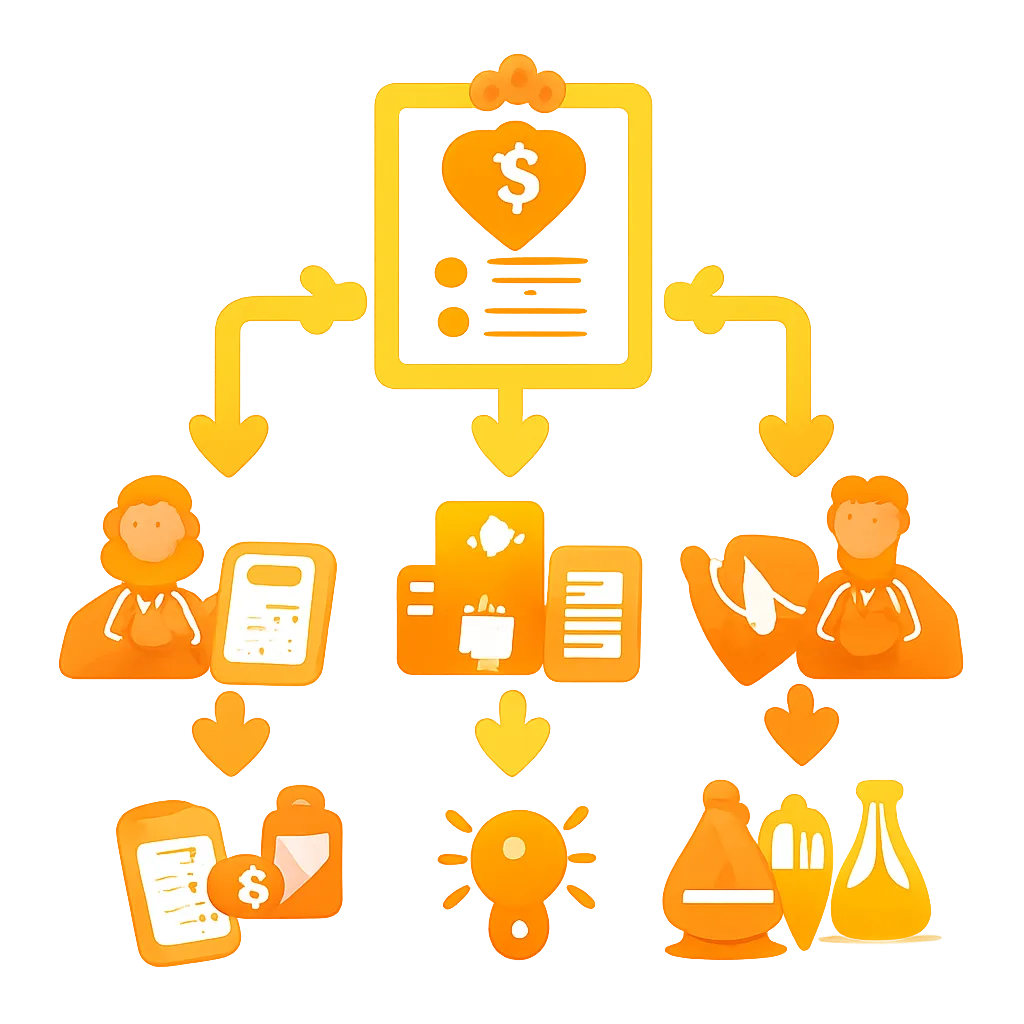
One request. A visible route. A next action the right person can find.
more time deciding.
Bring us the process that takes too many emails, too many checks or too many people to keep moving. We’ll discuss the work, the systems it touches and whether a PowerApps or AI approach fits.
How we approach the work →